WIMEN works : women and Panchayats write Raigad’s climate plan through and the .
scroll ↓- With
- Initiatives of
- Marginals
- Environment
- Network
A gender-inclusive, community-driven climate action plan in Raigad. It brings women, Gram Panchayats, and marginalized communities into climate decisions as co-authors, not bystanders.
Who we are
The Gender Inclusive Community-Driven Climate Action Plan in Raigad brings local communities, women’s groups, and governance institutions together to co-create climate resilience. It localizes the Sustainable Development Goals through participatory planning, and it uses the Conference of Panchayats to align local voices with global climate dialogue.
The Tata Institute of Social Sciences leads the work under Prof. Manjula Bharathy, with partners Asar, Waatavaran, PDAG, and Baimanus Media, alongside the State Climate Action Cell, Maharashtra. The University of Toronto India Foundation supports this three-year effort. Together they weave academic leadership, grassroots action, media storytelling, and global solidarity into one shared journey.
Why this project
Raigad holds three worlds: tribal forests, agrarian belts, and industrializing zones. The same broken monsoon reaches all of them through floods, landslides, and water scarcity.
These stresses meet entrenched inequalities of gender, caste, and tribe, so the harm falls unevenly. Tribal and agrarian women carry the heaviest share through water collection, farming, and caregiving. The project answers this by building inclusive governance into climate planning, so adaptation is co-created and resilience grows from the ground up.
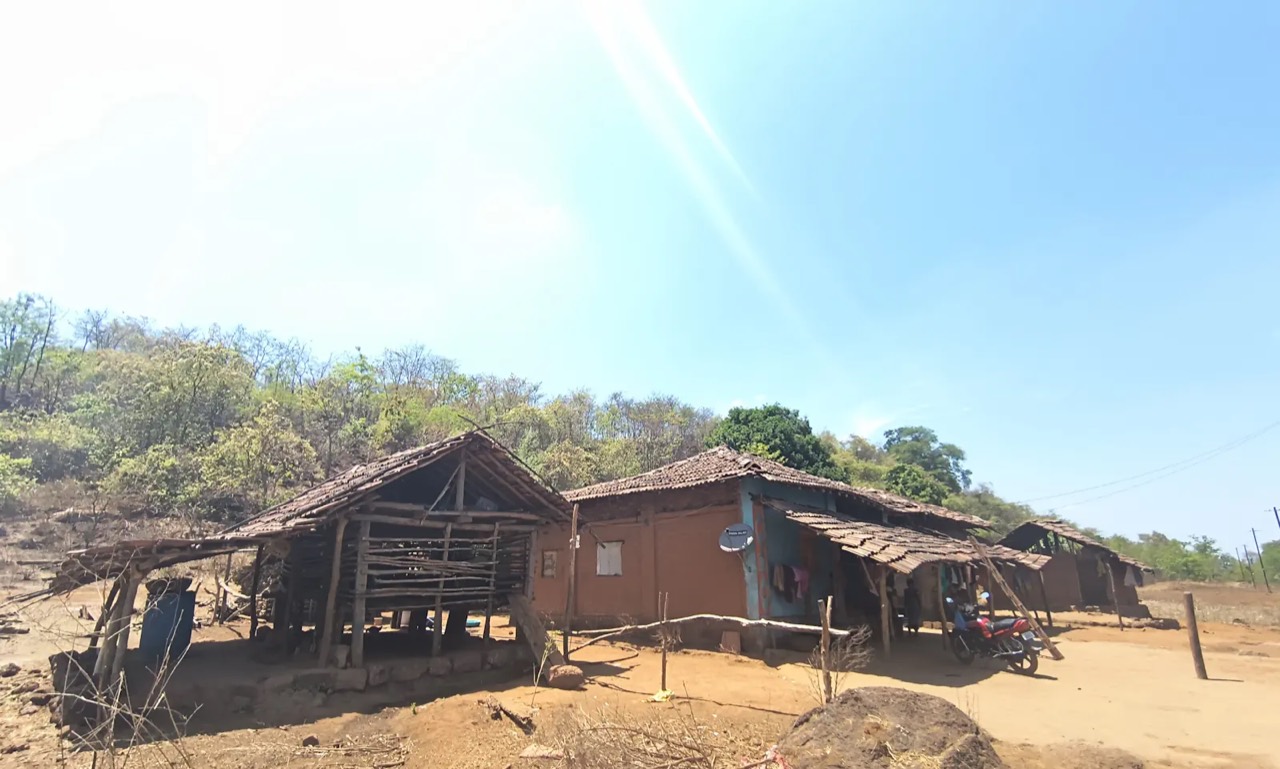
In Raigad, the same broken monsoon reaches the forests, the farms, and the factory towns.
Tribal and agrarian women carry the water, the fields, and the care work.
- 12
- 400+
- 30+
The work begins dil se, from the heart, then grows into DIL. .
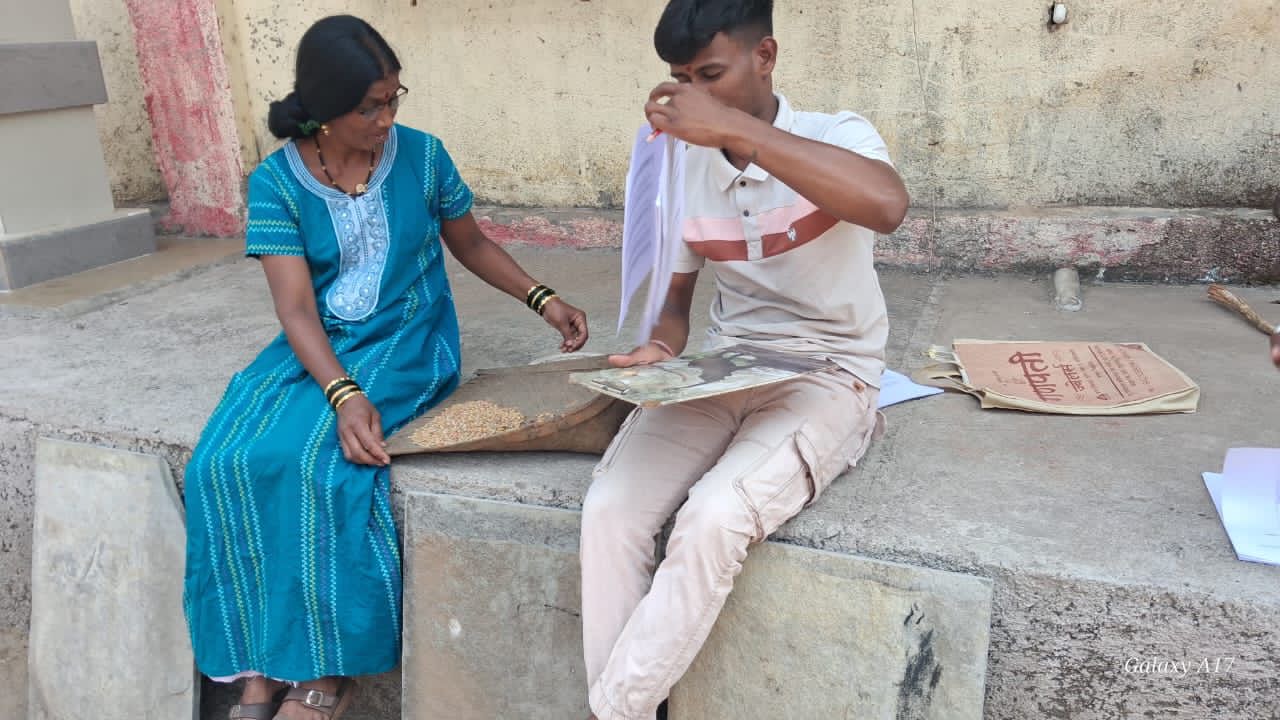
At the heart of CoP R lies the philosophy of dil se to DIL. Climate dialogue begins dil se, from the heart, rooted in lived emotion, vulnerability, and aspiration. That grounding grows into DIL, which challenges extractive governance, validates indigenous knowledge, and reframes global goals through local realities. It turns Panchayats into places where climate justice, gender equity, and knowledge justice meet, so resilience stays human rather than technocratic.
Conference of Panchayats
CoP R turns Gram Panchayats into co-authors of Raigad’s climate plan.
The Raigad Conference of Panchayats activates deliberative democracy at the block level. Gram Panchayats become co-architects of climate solutions, not implementers of someone else’s plan. By convening Panchayats, documenting indigenous practice, and co-designing replicable programs, CoP R turns local institutions into laboratories of democratic climate action.
The 5As
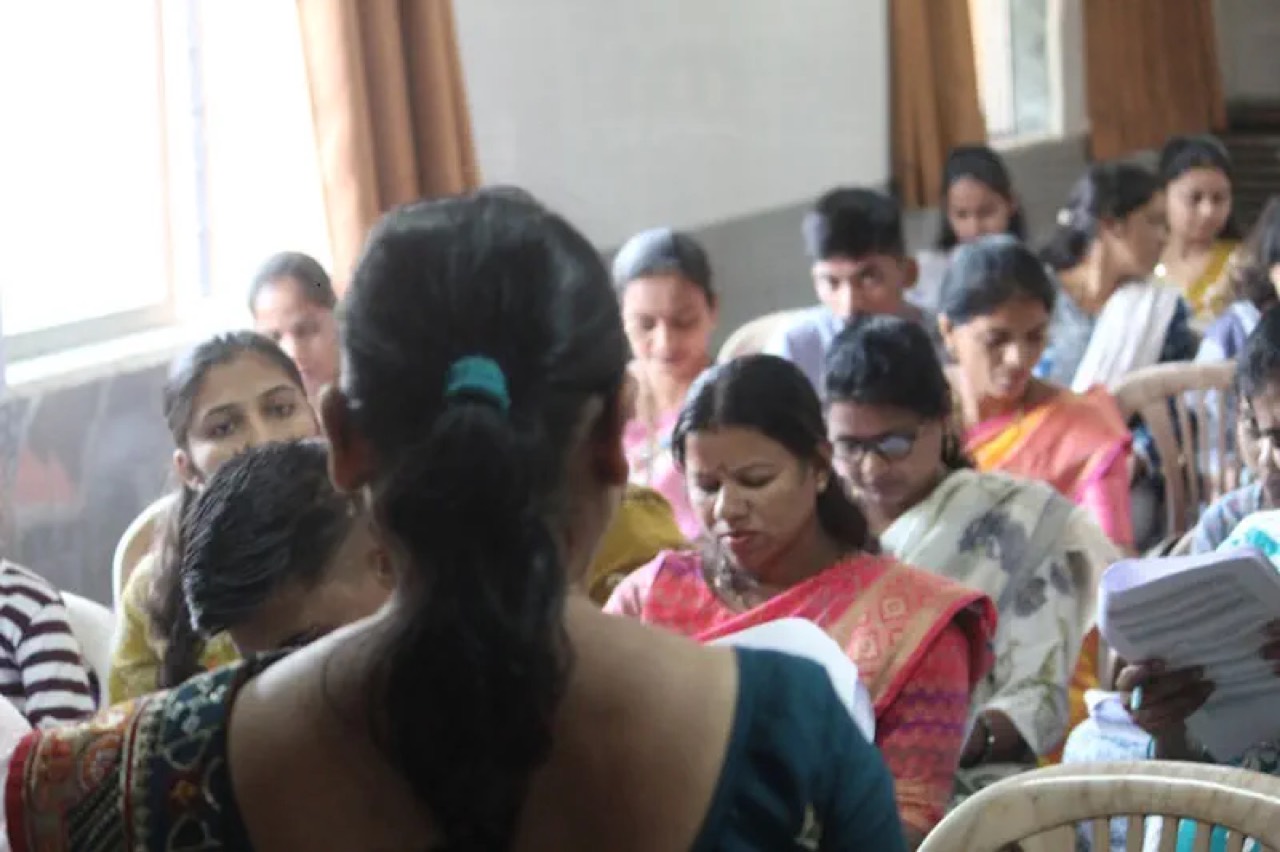
Five principles guide the work, and five kinds of people carry it. Principles without people stay abstract; people without principles scatter. Together they anchor climate justice in knowledge, governance, creativity, and communication.
- 01
Awareness
Making climate realities visible and urgent.
- 02
Agency
Empowering communities, especially women, as custodians of change.
- 03
Action
Translating vision into participatory interventions.
- 04
Adaptation
Honoring indigenous wisdom and resilience.
- 05
Accountability
Ensuring transparency, ethics, and shared responsibility.
The 5A Actors
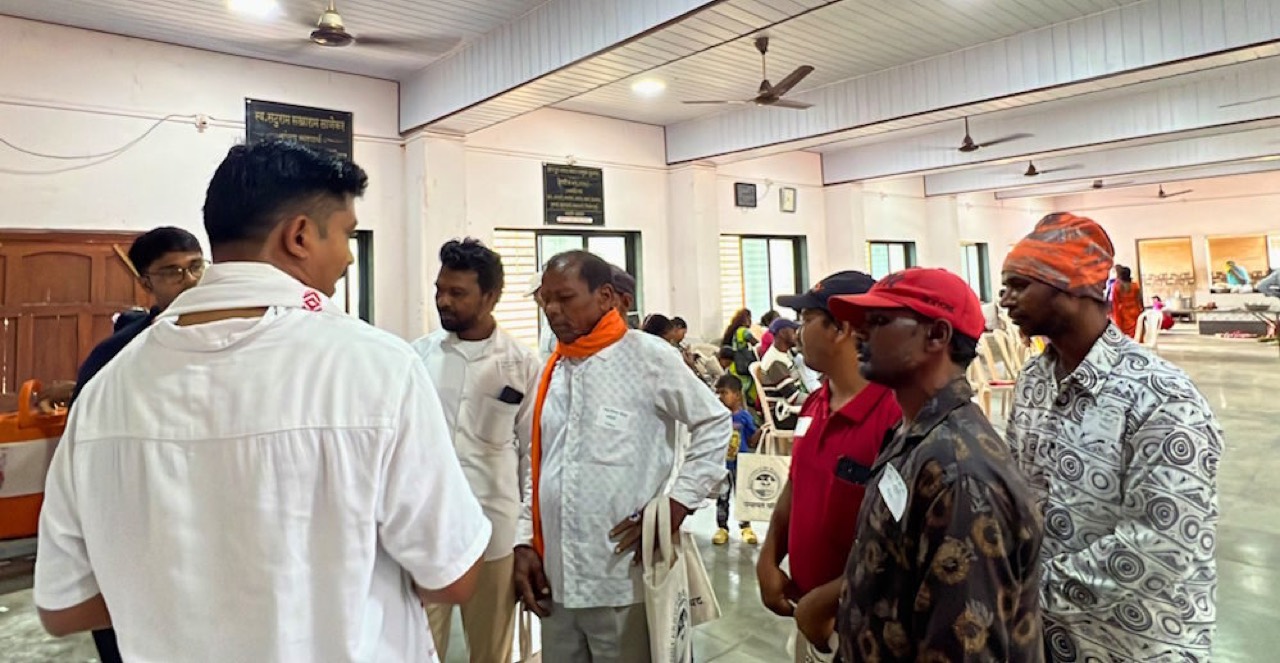
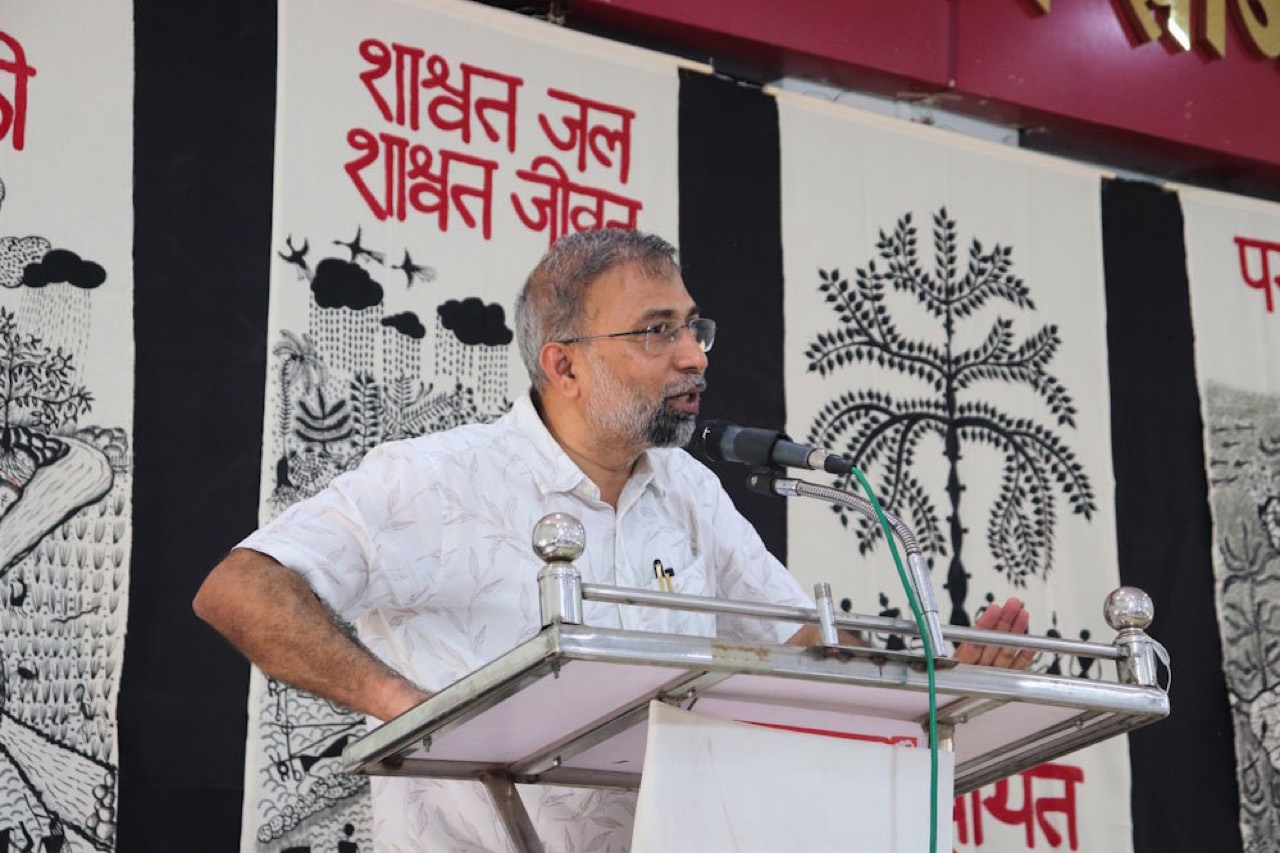
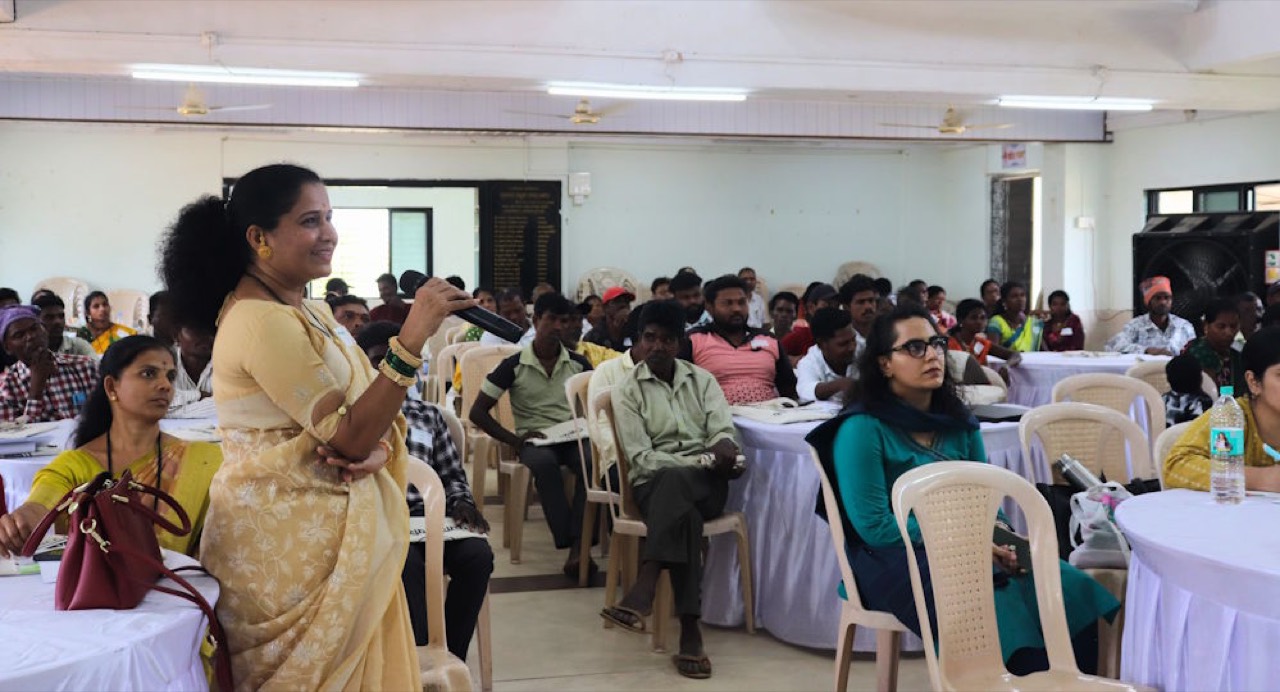
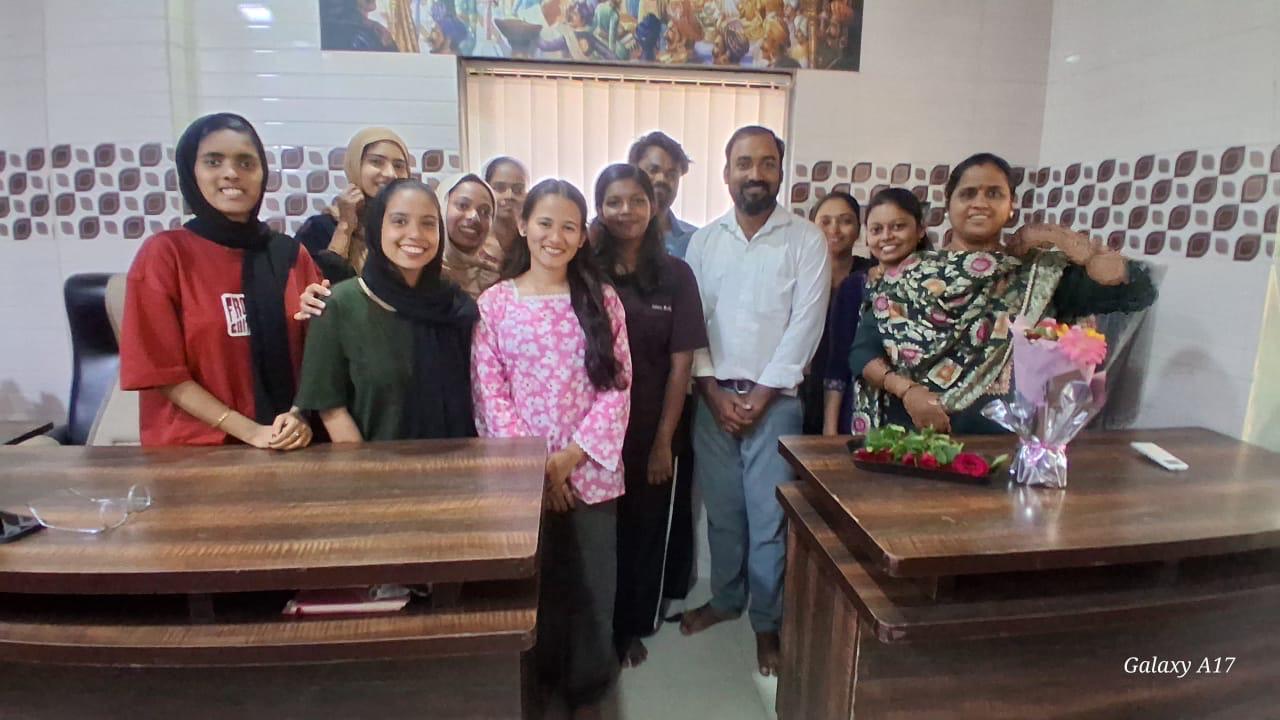
The 5A Actors carry the principles into the world.
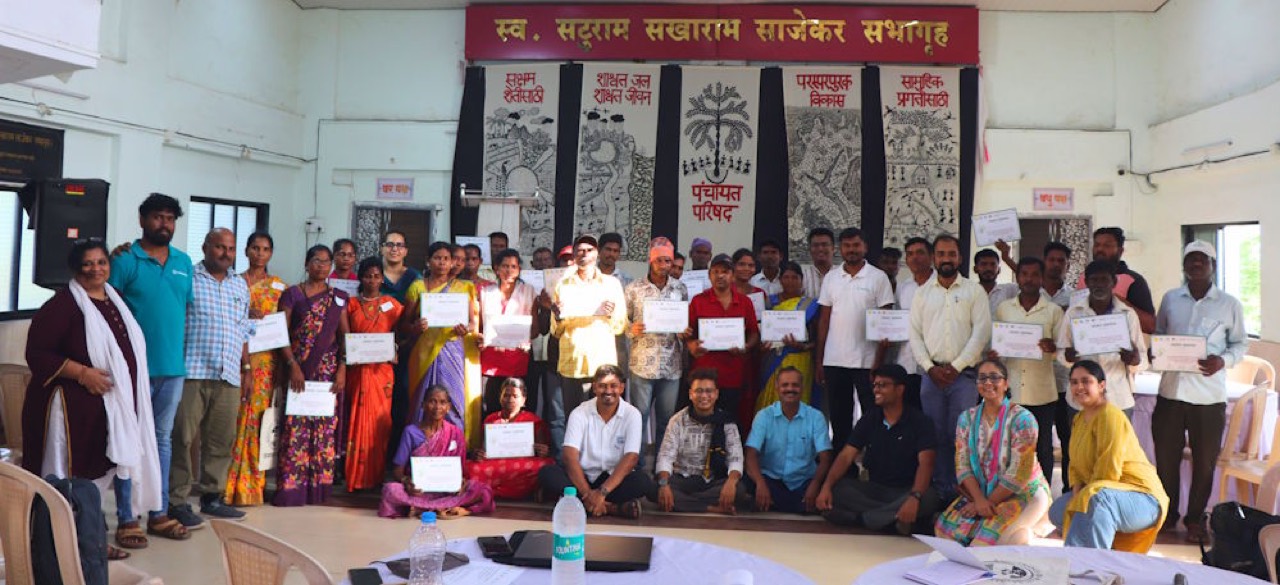
Routes through ROOTS
Story circles, mapping, theatre, shared reflection.
Routes through ROOTS recovers indigenous practice as a path to resilience. It maps cultural memory, oral tradition, tribal art, and ecological wisdom, learning from the practices that kept communities in step with nature. Adaptation is co-produced with communities, drawing strength from their roots while opening routes to new ideas.
Community countermaps
Villages redraw Raigad to show what official maps leave out.
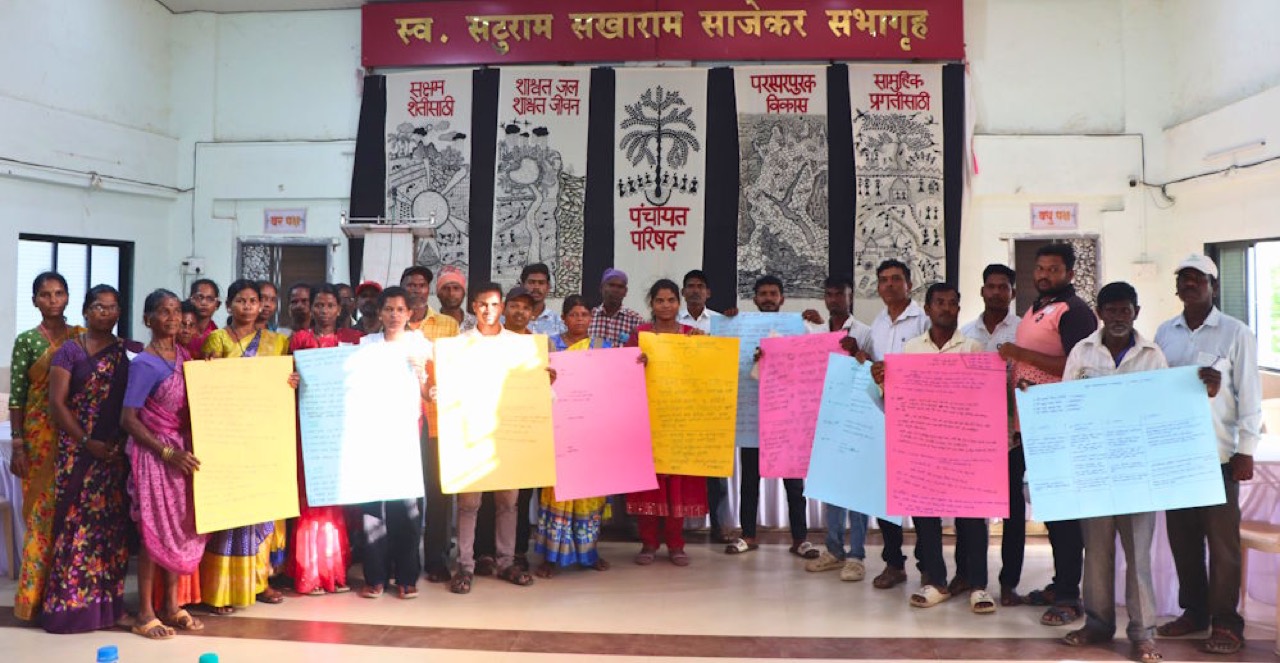
Community countermaps are not technical diagrams; they are maps of meaning, drawn by communities to reclaim space, voice, and vision. Vulnerability maps show where climate impact lands hardest. Burden maps reveal who carries the weight of survival. Aspiration and resource maps hold the dreams and the commons. Together they form a living atlas where communities speak as planners, not subjects.
-
Vulnerability
Where climate impact lands hardest.
-
Burden
Who carries the weight of survival.
-
Aspiration
The dreams a community holds for itself.
-
Resource
The land, water, and commons it shares.
Voices
Theatre, video, and art carry the voices of the community into the climate conversation. Each piece is made by the people it speaks for.
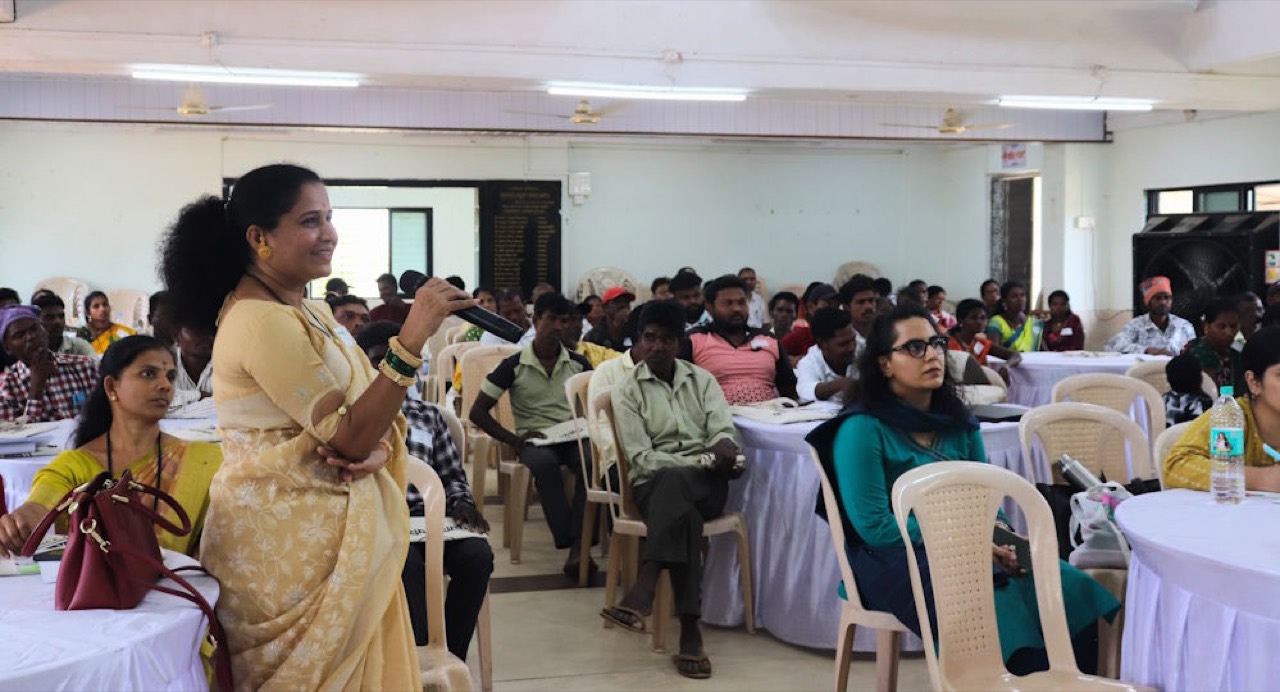
TISS leads the work; Raigad’s communities carry it.
-
 (opens in a new tab)
 -
 (opens in a new tab)
 -
 (opens in a new tab)
 -
 (opens in a new tab)
 -
 (opens in a new tab)
 - SCAC
- UTIF